

This not only saves time but also reduces the risk of human error. Also, automation allows for better data analysis and decision-making. Financial analysis is a powerful tool for enhancing profitability in any truck dealership or auto dealership.

Q2: Are weekly cash payments for a vehicle lease or loans considered related transactions?
This guide breaks down the main aspects of accounting for car dealership operations. The accounting for a car dealership is quite complicated, since there are many profit centers, fixed assets, and employees, not to mention the large vehicle inventory. Dealership-specific topics in this car dealership accounting course include floorplan interest, contracts in transit, and factory receivables. The auto dealer accounting course also covers how to account for payroll and the steps needed fixed assets to close the books.
Strategic Insights
- General bookkeepers may not know the details of car dealership accounting.
- For the period when the vehicle has not yet been sold, the dealership has to pay floorplan interest expense to the lender.
- Managing the inventory turnover ratio offers valuable insights into the performance and sales efficiency of car showrooms.
- Implementing robust inventory management systems is essential for tracking vehicles, parts, and accessories accurately.
They ensure that your financial records reflect the true state of your dealership, so you can make smarter decisions, avoid costly mistakes, and stay ahead of the competition. Car dealerships face several compliance challenges, including those related to sales tax, consumer finance laws, and vehicle registration. Failure to comply can result in significant penalties and damage to the dealership’s reputation.
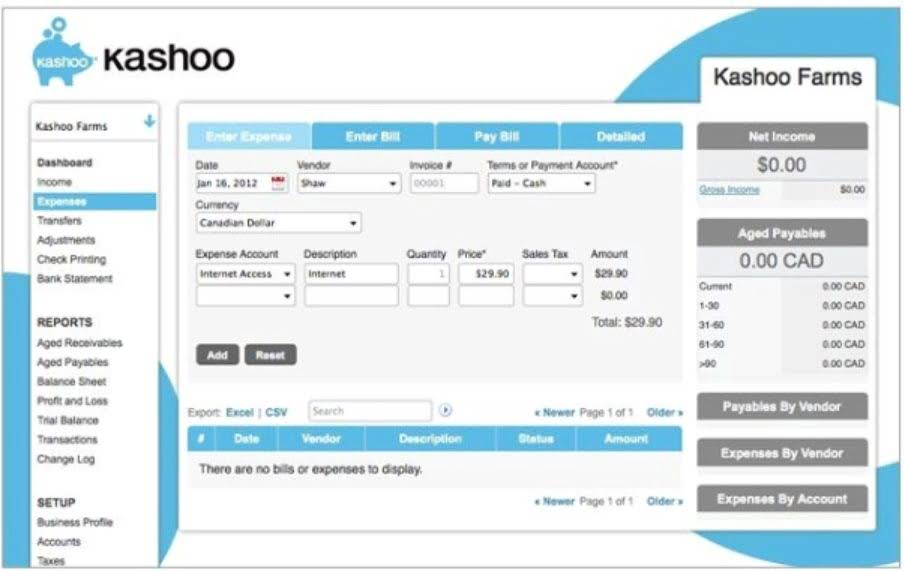
Dealership Expenses

Effective tax planning for auto dealerships requires a collaborative effort between various departments within the dealership, including the accounting department, sales teams, and financial management personnel. Common accounting errors in car dealerships include incorrect classification of assets and liabilities or errors in calculating depreciation costs. Such mistakes can lead to inaccurate financial statements, affecting the financial position of the dealership. Our Dealership Services industry group is composed of audit, tax and management consulting professionals who are specifically trained and experienced in matters such as those facing your company.
Where Dealership Employees Stand During Uncertain Times
- Every automotive business and car dealership, regardless of size, needs expert accountant for car dealership management to stay competitive and drive growth.
- Hiring a CPA firm for financial management ensures your automotive business or car dealership grows efficiently, enabling you to allocate more resources toward expansion and innovation.
- Every business needs to stay on top of its finances, but the traditional accounting approach makes it tedious and tiring.
- It involves analyzing inventory levels, forecasts, and projections, ultimately leading to operational and financial success and profitability.
Think of these acronyms as shorthand for what makes a dealer accountant reliable, precise, and indispensable. The connection was denied because this country is blocked in the Geolocation settings. With our support, you stay focused on selling cars while we keep your books in top shape.
Further Reading: Car Dealership Accounting: Streamlining Reconciliation, Dealerships, And Accounting Practices
Also, you can add a description below the journal entry to help explain the transaction. Assets are on one side of the equation and liabilities and equity are opposite. When you first start learning accounting, debits and credits are confusing.
Q8: What if a customer refuses to provide a Taxpayer Identification Number (TIN) for Form 8300?
Accounting plays a pivotal role in dealership operations by providing accurate and timely financial information. It serves as the foundation for decision-making, cost control, and monitoring overall performance. Without robust accounting practices, dealerships risk running into financial difficulties, inventory imbalances, and compliance issues. Car dealership accounting goes beyond strategic bookkeeping. It involves unique complexities such as inventory valuation, financing transactions, service income, and warranty management. Car dealership accounting is a specialized and complex field that demands precision, adaptability, and a deep knowledge of industry-specific challenges.

Further reading: Numbers for Success: A Guide to Automotive Accounting for Repair Shops
To overcome these challenges, engaging professional tax advisors with Bookkeeping for Startups dealership expertise can provide valuable insights and ensure compliance. Accrual accounting also aligns with the matching principle, which states that expenses should be recognized in the same period as the revenue they help generate. This principle allows dealerships to accurately assess their profitability and make informed decisions about pricing, inventory management, and cost control. With accurate accounting information, dealerships can make informed decisions about their budget allocations. They can identify areas where costs can be reduced or reallocated to maximize profitability. Additionally, forecasting helps dealerships anticipate market trends and plan accordingly, ensuring they stay ahead of the competition.
- Easily streamline pay calculations, tax deductions, and benefits administration using our payroll solutions for the car dealership industry.
- It provides valuable insights and analysis that help dealerships make informed decisions, improve profitability, and ensure compliance with financial reporting standards.
- Accrual accounting records revenue and expenses when they are earned or incurred, regardless of when cash is received or paid.
- Car dealership accounting goes beyond strategic bookkeeping.
- Since dealership operations involve high-value inventory, multiple revenue streams, and financing arrangements, accurate accounting is essential for financial stability and profitability.
Embracing comprehensive accounting practices positions dealerships for long-term growth and profitability in an ever-evolving industry. Moreover, consistent financial reporting facilitates accurate analysis of the dealership’s financial performance over time. By comparing financial statements from different periods, dealerships can identify trends, evaluate the effectiveness of their strategies, and make necessary adjustments to improve profitability and efficiency. Running a dealership requires precision in financial management to maintain profitability and compliance.
Inventory Reports
Budgeting and financial forecasting play a vital role in strategic planning for car dealerships. By projecting future dealer accounting sales and expenses, dealerships can create a roadmap to achieve their financial goals. Your dealership can enhance financial health and achieve sustainable growth by utilizing detailed financial insights and adapting to regulatory changes. Accounting principles serve as the foundation for financial reporting in dealerships.