
A excessive turnover ratio displays an active market with frequent buying and selling, signifying good liquidity. On the opposite side, a low ratio signifies restricted trading activity, suggesting potential illiquidity. This metric is particularly priceless for comparing the relative liquidity of cryptos with various market sizes. Measuring crypto illiquidity is crucial for estimating the crypto ecosystem’s market performance, trading outcomes, and worth consistency.
Markets of virtual belongings operate repeatedly, but liquidity levels differ considerably based on time zones and international trading activity. Liquidity is often higher throughout overlapping trading hours of main markets, similar to the us and Europe, but drops throughout off-peak occasions. Cryptocurrency markets are extremely unstable, with sudden value swings pushed by macroeconomic occasions, market information, or giant trades. This volatility disrupts liquidity measurement by affecting key metrics. This ratio captures the sensitivity of worth declines to buying and selling volumes. A excessive Amihud Ratio points to profound value reductions with small trading volumes, signifying higher illiquidity.
Cryptocurrencies With A High Market Capitalization
- In crypto, it refers to users who supply token pairs to DeFi swimming pools and obtain LP tokens in return, representing their share of pool belongings and accrued charges.
- Appearing as a storage for crypto property on a DEX, they permit for the trade of one asset for another, with the AMM adjusting the values based on provide and demand.
- Moreover, the extra liquidity obtainable in a cryptocurrency or digital asset, all things being equal, the more stable and fewer volatile that asset must be.
- Markets with excessive liquidity are characterized by an ample presence of each patrons and sellers, leading to decreased price volatility.
Additionally, when stablecoins depeg or DeFi protocols fail, liquidity providers pull out, compounding the problem and amplifying losses. For example, when FTX collapsed, users rushed to withdraw funds, drying up liquidity throughout the market. Panic promoting during crashes also drains order books rapidly, as everybody tries to exit without delay.
After all, what’s the point of revenue if the vendor isn’t able to understand their gains? The liquidity of the asset will largely decide if and the way much of a position a prudent investor will take in the funding – and this extends to Bitcoin and different cryptocurrencies. Liquidity of crypto tokens is more than just a technical idea — it’s an important predictor of market health and buying and selling accuracy. While challenges like market fragmentation and knowledge inconsistencies persist, superior instruments and variables facilitate priceless analysis into liquidity factors. Platforms like QuantConnect, 3Commas, and Coinrule enable traders to use liquidity rankings in automated methods. These platforms provide APIs for accessing order guide snapshots and real-time buying and selling https://www.xcritical.in/ conditions.

Introduction To Liquidity In Crypto Markets

On crypto exchanges, the hallmark of good liquidity is the power to quickly convert cryptocurrency holdings into money. Trading quantity is one other key think about figuring out market liquidity. Higher buying and selling volume indicates that the market is liquid and vice versa.
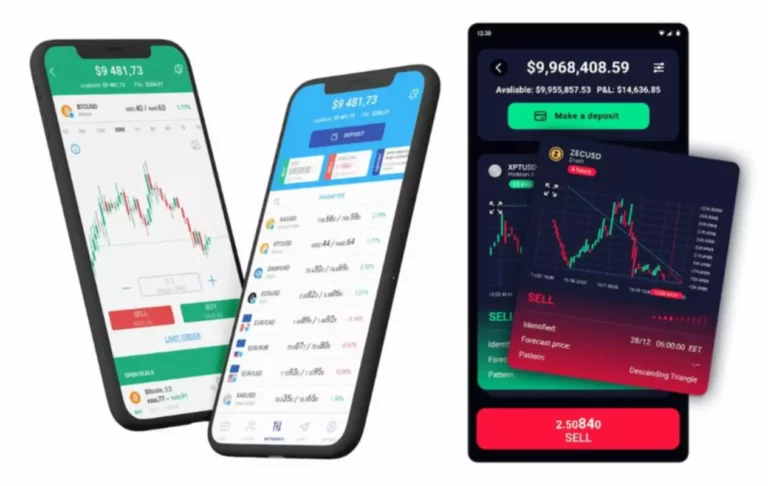
For instance, when you make investments just €100, but every transaction costs €20, your returns can vanish rapidly. Longer settlement times in monetary establishments may point out potential liquidity points, as they require more time to assemble funds to fulfill withdrawal requests. Lowering the dimensions of the property which are transferred minimizes the influence they have available on the market. Scalp buying and selling, or scalping, is a widespread buying and selling strategy identified for an extended time. Time-to-execution measures the length required to complete a trade of a particular dimension whereas not occasioning excessive value deviation.
Furthermore, an asset with excessive liquidity means one can purchase or promote at a good What is Crypto Liquidity value without a lot problem. Individuals can establish high liquidity in cryptocurrencies by recognizing a giant number of traders and excessive buying and selling quantity. In cryptocurrency, liquidity is dependent upon trading quantity and market depth. A coin with many active merchants on a number of exchanges has high liquidity. For instance, Bitcoin and Ethereum are highly liquid—you can purchase or sell them instantly on most main platforms. High buying and selling volumes could attract new merchants to a cryptocurrency exchange, which is in a position to lead to more buy and promote orders on the books at all times – which means a larger level of liquidity.
They are a proportionate illustration of your participation within the general liquidity pool. This means they’re a permissionless buying and selling channel that doesn’t require any formal order books. In decentralized finance (DeFi), liquidity is the gasoline that makes every little thing else potential, from token trading to rates of interest. Liquidity provider (LP) tokens symbolize your unique share of those critical pools of funds.
When it involves how the tokens truly work, they are typically ERC-20 or similar smart-contract-capable protocol. It information your channel in the pool, calculates your entitlement upon withdrawal. Withdrawing means you burn your tokens, destroying them and distributing the property, plus accumulated fees. Supportive regulatory environments can boost crypto trading and liquidity, while restrictive laws can cut back it.
The quality and reliability of the buying and selling forex crm platform’s structure additionally impression liquidity. Exchanges with efficient order-matching methods, low latency, and excessive uptime attract more traders, facilitating larger liquidity. On the other hand, technical inefficiencies or frequent downtime can deter individuals and reduce down trading exercise. The clarity and supportiveness of regulatory plans decisively affect liquidity. In jurisdictions the place crypto buying and selling is encouraged and regulated, participation by institutional and retail buyers increases, boosting liquidity.